Post-Butler: How the Trump Attempt Reshaped Political Security
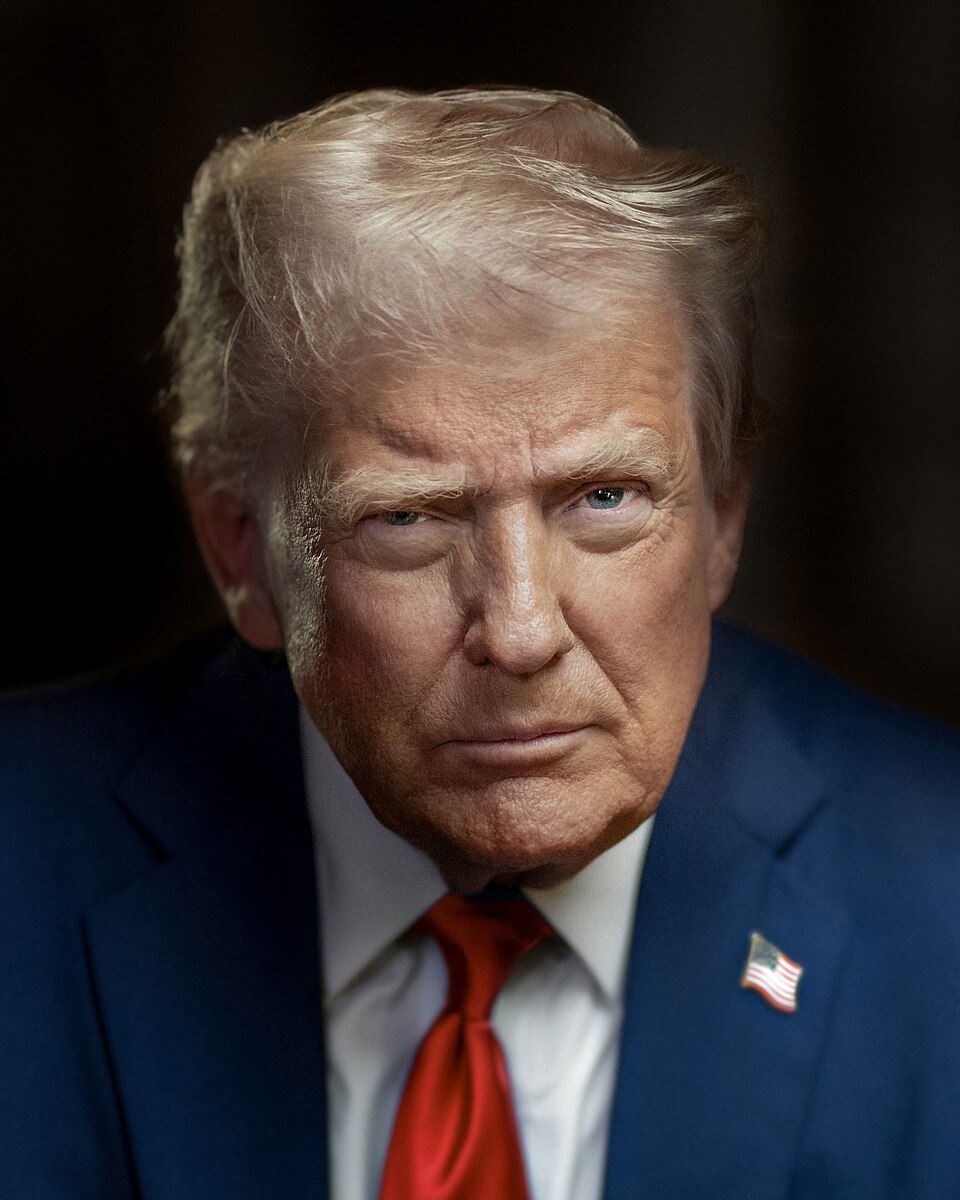
The political landscape, often fraught with rhetorical battles and ideological divides, experienced a profound and stark jolt on July 13, 2024. During an open-air campaign rally in Butler, Pennsylvania, an assailant fired shots at former U.S. President Donald Trump, grazing his ear, killing one attendee, and wounding two others. This audacious and chilling trump assassinat attempt, carried out by 20-year-old Thomas Matthew Crooks, served as an immediate and undeniable catalyst, forcing a critical re-evaluation of security protocols for political figures across the nation. The incident at Butler wasn't just another headline; it became a watershed moment, fundamentally reshaping how security agencies approach the protection of high-profile individuals and the integrity of democratic events.
The Butler Incident: A Detailed Look at the Security Breach
The events of that fateful day unfolded with terrifying speed and precision. Donald Trump, then the presumptive Republican nominee for the 2024 presidential election, was addressing a crowd of several thousand supporters at the Butler Farm Show grounds. Around 6:00 p.m. EDT, from an elevated rooftop approximately 400 feet away, Crooks unleashed multiple shots, piercing the festive atmosphere with the grim reality of a direct threat. Despite initial observations of suspicious behavior, Crooks had evaded detection, highlighting critical lapses in perimeter security that allowed him to establish a clear line of sight to his target.
The immediate aftermath was chaotic but controlled. Trump was swiftly evacuated, and medical teams attended to the injured. Tragically, Corey Comperatore, a firefighter who selflessly shielded his family, succumbed to his injuries, becoming a symbol of the innocent lives caught in the crossfire. Two other attendees also sustained wounds. Crooks himself was neutralized by U.S. Secret Service counter-snipers, ending the immediate threat but initiating a cascade of investigations into the severe security failure. Authorities soon confirmed that Crooks, a 20-year-old from Bethel Park, Pennsylvania, had researched the rally site and legally acquired his rifle. Despite extensive searches of his devices and background, a clear ideological motive remained elusive, adding another layer of complexity to the incident.
Immediate Aftermath and Accountability
The FBI swiftly classified the shooting as an assassination attempt and a potential act of domestic terrorism, underscoring the severity with which federal authorities viewed the incident. This classification triggered a wave of intense scrutiny and accountability, particularly aimed at the U.S. Secret Service, the agency primarily responsible for presidential and candidate protection. Both bipartisan congressional probes and an internal Secret Service review were launched, dissecting every aspect of the pre-event planning, intelligence gathering, and on-the-ground execution.
The findings of these investigations pointed to significant operational failures. The most immediate and high-profile consequence was the resignation of Secret Service Director Kimberly Cheatle. This was followed by the suspension of six agents, indicating systemic issues beyond individual error. The scrutiny focused sharply on several key areas:
- Communication Breakdowns: Failures in sharing intelligence and coordinating between federal, state, and local law enforcement agencies.
- Line-of-Sight Vulnerabilities: Inadequate assessment and neutralization of potential elevated threat positions around the rally venue.
- Resource Allocation: Questions regarding whether sufficient personnel and technology were deployed to secure an event of such magnitude, particularly for a former president and leading candidate.
The incident distinguished itself from prior threats against Trump or other political figures due to the sheer proximity breach during a high-profile public event, serving as a stark reminder that even with extensive planning, a determined individual can exploit unforeseen weaknesses. The critical lessons learned from this harrowing event are further explored in Donald Trump Shooting: Unraveling the Secret Service Failures.
Reshaping Political Security Protocols
In the wake of the Butler trump assassinat attempt, the conversation around political security shifted from reactive measures to proactive, comprehensive overhauls. The "broader reforms to protective protocols for political figures" mentioned in the aftermath signal a permanent recalibration of how security is planned and executed.
Key areas of transformation include:
- Enhanced Perimeter Security: Agencies are now implementing wider and more robust exclusion zones around event venues, particularly for open-air rallies. This includes more extensive sweeps of surrounding buildings and elevated positions, utilizing advanced optics and drone technology to identify potential threats further afield.
- Advanced Threat Detection and Intelligence Fusion: There's an increased emphasis on leveraging artificial intelligence and data analytics to process vast amounts of intelligence, including social media monitoring, psychological profiling, and behavioral pattern recognition, to identify potential lone-wolf actors or nascent threats before they materialize. Greater inter-agency intelligence sharing is paramount, ensuring local, state, and federal entities operate from a unified threat picture.
- Improved Counter-Sniper Capabilities and Response: The swift, decisive action of the Secret Service counter-snipers at Butler was a highlight, but the focus is now on ensuring such capabilities are not just present but optimized. This involves more rigorous training, strategic positioning of assets, and faster decision-making frameworks for engaging threats at a distance.
- Technological Integration: From sophisticated surveillance systems and facial recognition technology to real-time communication platforms that link all security personnel, technology is being deployed to create a more integrated and responsive security network.
- Site Selection and Event Logistics: There will be a more stringent review of rally locations, prioritizing venues with controllable access points and fewer elevated vantage points. Logistics will increasingly factor in advanced risk assessments for every angle of approach, not just immediate ground-level threats.
These reforms aim to build multiple layers of defense, making it significantly harder for an assailant to achieve proximity to a protected individual or to establish an effective attack position unnoticed. The goal is to create a more resilient, adaptive, and predictive security posture.
Future Implications and Vigilance
The Butler incident has undeniably ushered in a new era for political security, one marked by heightened vigilance and an acknowledgment of evolving threats. The balance between maintaining democratic accessibility—allowing candidates to connect with voters—and ensuring their safety has become a more complex equation. Campaign events, particularly large outdoor rallies, will likely feel the impact of these changes, with more visible security measures and stricter access controls becoming the norm.
For citizens, this means understanding the necessity of these measures and cooperating with security personnel. For political campaigns, it necessitates closer collaboration with security experts from the earliest stages of event planning. The incident also serves as a potent reminder of the persistent danger posed by domestic extremism and individuals acting outside of clear organizational structures. The absence of a discernible motive for Crooks highlights the unpredictable nature of such threats.
Looking ahead, the commitment to protecting political figures and the democratic process itself requires continuous adaptation. Security agencies must remain agile, constantly evaluating new technologies, training methods, and threat intelligence to stay ahead of potential adversaries. The legacy of Butler will undoubtedly be a security apparatus that is more robust, more interconnected, and perpetually on guard.
The attempted assassination of Donald Trump in Butler was a chilling reminder of the fragility of safety even for the most protected individuals. It exposed vulnerabilities, demanded accountability, and ultimately catalyzed a significant transformation in political security protocols. From enhanced perimeter defenses and advanced intelligence gathering to refined counter-sniper strategies and integrated technologies, the post-Butler era is defined by a commitment to comprehensive, proactive protection. While the challenges of securing public figures in an open society remain immense, the lessons learned from that day in Pennsylvania are forging a more resilient and vigilant framework for the future of American democracy.