The Butler Incident: A Stark Reminder of Security Vulnerabilities
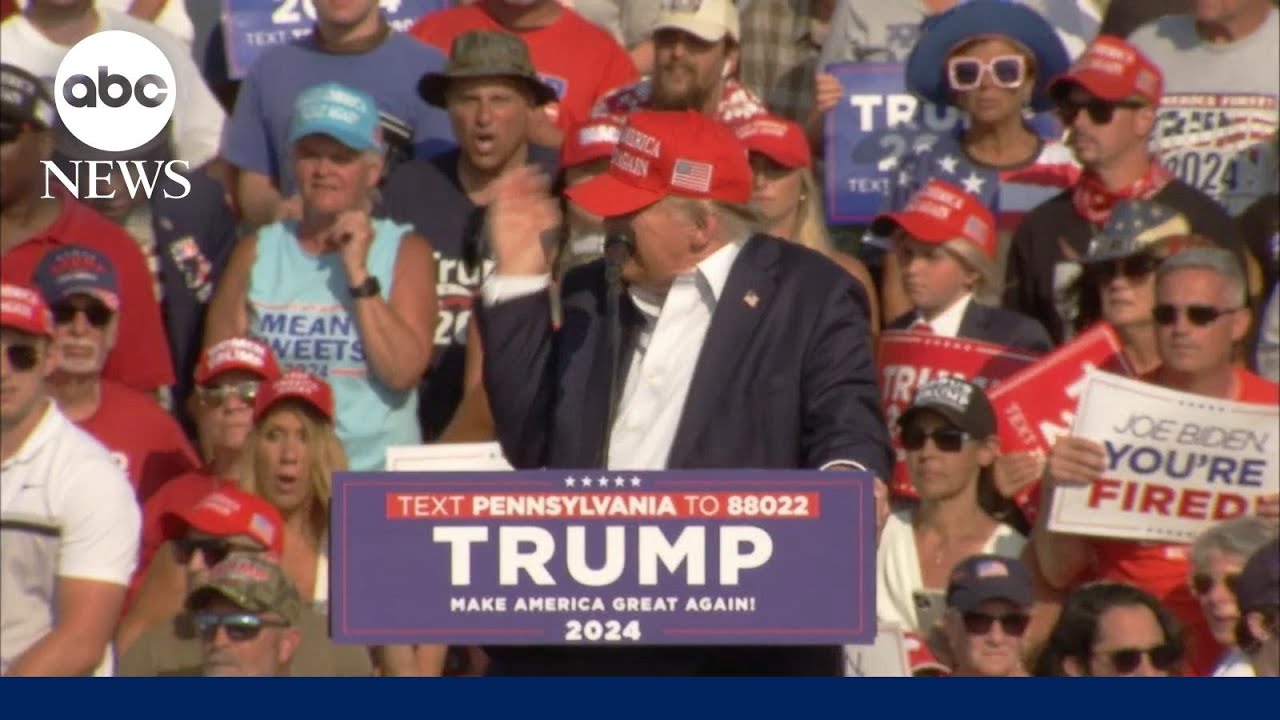
On July 13, 2024, an open-air campaign rally for former U.S. President Donald Trump in Butler, Pennsylvania, transformed into a scene of grave concern. What began as a routine political event swiftly escalated into an attempted assassination of Donald Trump, drawing global attention to the critical challenges of protective security. From an elevated rooftop approximately 400 feet away, 20-year-old Thomas Matthew Crooks fired multiple shots, grazing Trump's right ear, tragically killing one attendee, Corey Comperatore, and wounding two others. The incident, quickly classified by the FBI as an assassination attempt and potential domestic terrorism, highlighted alarming failures within the U.S. Secret Service's protective protocols and operational execution.
The rally, a key event in Trump's 2024 Republican presidential campaign, was held at the Butler Farm Show grounds. Despite advance planning involving the Secret Service, the Trump campaign, and local law enforcement, the perpetrator, Thomas Matthew Crooks, managed to evade detection. Crooks, a local resident with no established ideological motive despite extensive background checks, had researched the rally site and legally acquired his weapon. His ability to position himself undetected at such a critical distance underscores significant lapses in perimeter security and threat assessment, setting the stage for an unprecedented scrutiny of high-profile political protection.
Perimeter Breaches and Line-of-Sight Vulnerabilities
The core of the Secret Service failures during the Donald Trump shooting incident lies in the critical breach of the security perimeter and the inability to neutralize a clear line-of-sight threat. An elevated position 400 feet from the principal, particularly in an open-air venue, presents a textbook sniper scenario that demands robust counter-measures. The fact that Crooks was able to secure such a vantage point and fire multiple shots before being eliminated by Secret Service counter-snipers points to several systemic issues:
- Insufficient Perimeter Security: Despite coordination and site surveys, the extended perimeter around the rally venue failed to identify and secure potential elevated threats. The 400-foot distance, while seemingly far, is well within the effective range of many rifles, making comprehensive clearing and monitoring of surrounding structures paramount.
- Failure to Detect Suspicious Activity: Reports indicated prior observations of suspicious behavior by Crooks that did not lead to intervention. This suggests a breakdown in intelligence sharing, assessment, or proactive engagement by security personnel tasked with maintaining situational awareness beyond the immediate crowd.
- Communication Breakdown: Effective protection relies on seamless communication between various security layers—advance teams, local law enforcement, counter-sniper units, and protective details. Any fragmentation in this network can create critical blind spots and delay response times, as potentially witnessed in Butler.
- Resource Allocation and Threat Assessment: While pre-event threat assessments were conducted, they apparently did not flag the specific vulnerabilities exploited by Crooks. This raises questions about whether the scope of these assessments was broad enough to encompass all potential threats, especially from elevated positions in an expansive outdoor setting. Balancing resources for crowd control with those needed for distant threat mitigation is a persistent challenge that this incident starkly brought to the fore.
The ease with which Crooks acquired his weapon and researched the site, coupled with the lack of specific threat intelligence publicly detailed prior to the event, underscores the challenge of preventing lone-wolf attacks. However, the operational security should have been robust enough to mitigate the threat even in the absence of specific intelligence about the individual.
The Aftermath: Accountability and Immediate Reforms
The immediate fallout from the Trump assassination attempt was swift and far-reaching, triggering a wave of accountability and an urgent push for reform within the U.S. Secret Service. The gravity of the security breach led to significant personnel changes and an intensive internal review process:
- Director Kimberly Cheatle's Resignation: Under immense pressure, Secret Service Director Kimberly Cheatle resigned within days of the incident. This act underscored the high stakes and the immediate demand for leadership accountability in the face of such a critical failure.
- Agent Suspensions: Six Secret Service agents were suspended for operational failures related to the Butler rally. These suspensions signaled a direct consequence for specific lapses in planning, communication, and on-the-ground execution.
- Congressional Probes: Bipartisan congressional probes were launched, scrutinizing every aspect of the event's security. These investigations aimed to understand the root causes of the failures, identify systemic weaknesses, and recommend legislative or policy changes to prevent future incidents.
- Broader Reforms to Protective Protocols: Beyond personnel changes, the incident necessitated a comprehensive re-evaluation of protective protocols for political figures, especially in open-air settings. This included a fresh look at communication standards, line-of-sight analysis, and resource allocation strategies, distinguishing this event from prior threats due to its unprecedented proximity breach during a high-profile public appearance.
The focus of these reforms extends beyond merely reacting to the specific circumstances of the Butler shooting. It encompasses a proactive re-engineering of how the Secret Service and partner agencies assess, plan, and execute security for principals in dynamic, high-risk environments. This includes leveraging advanced technologies, enhancing intelligence fusion, and refining tactical responses to evolving threats.
Beyond Butler: Reassessing Political Figure Protection
The incident in Butler serves as a sobering lesson, forcing a re-evaluation of security paradigms for political figures globally. The challenges of protecting candidates and leaders in democratic societies, where accessibility and public engagement are valued, are immense. However, the events of July 13th demonstrated that these values cannot come at the expense of fundamental security. This incident necessitates a multifaceted approach to bolstering protective measures:
- Enhanced Site Reconnaissance and Risk Mapping: Future rally sites, particularly open-air venues, will likely undergo even more rigorous advance planning. This involves detailed topographic analysis, drone surveillance, and thorough physical sweeps to identify every potential elevated threat or line-of-sight vulnerability. Advanced analytics and AI could play a role in predicting and modeling potential attack vectors.
- Integrated Intelligence and Surveillance: The Secret Service and its partners must redouble efforts in intelligence gathering, not just for specific threats but for patterns of suspicious behavior, online radicalization, and the presence of individuals with known grievances in the vicinity of events. This also extends to robust, discreet surveillance of surrounding structures and areas during events.
- Technological Augmentation: Deployment of advanced counter-sniper technologies, such as acoustic detection systems and sophisticated thermal imaging, could become more commonplace. The use of counter-drone measures to secure airspace above rallies also presents a crucial, albeit complex, layer of protection.
- Continuous Training and Adaptability: Security personnel require ongoing, scenario-based training that includes complex active shooter situations from various distances and angles. This emphasizes rapid threat identification, precise neutralization, and immediate principal evacuation protocols. The ability to adapt quickly to evolving threats is paramount.
- Public Awareness and Cooperation: While not a direct security measure, fostering greater public awareness about reporting suspicious activity in and around public events can serve as an invaluable early warning system.
For a deeper dive into the specific security lapses at the rally, read Trump Assassination Attempt: Butler Rally Security Lapses. The broader implications necessitate a paradigm shift, recognizing that while perfect security is unattainable, continuous improvement and proactive adaptation are essential.
Lessons Learned and the Path Forward
The attempted trump assassinat in Butler, Pennsylvania, was a watershed moment, exposing critical vulnerabilities in the protective infrastructure safeguarding U.S. political figures. While the bravery and rapid response of Secret Service counter-snipers ultimately prevented a greater tragedy, the preceding failures cannot be overlooked. The incident serves as a stark reminder that in an increasingly complex threat landscape, security agencies must constantly evolve their strategies, technology, and training.
The path forward involves a renewed commitment to comprehensive risk assessment, seamless inter-agency communication, and the strategic deployment of both human and technological resources. It underscores the delicate balance between ensuring a principal's accessibility to the public and implementing an impregnable security cordon. Ultimately, the lessons from Butler demand not just reactive changes but a proactive, forward-thinking approach to protect democracy's most visible figures from those who seek to undermine it through violence. The long-term implications and changes to security protocols are further explored in Post-Butler: How the Trump Attempt Reshaped Political Security.